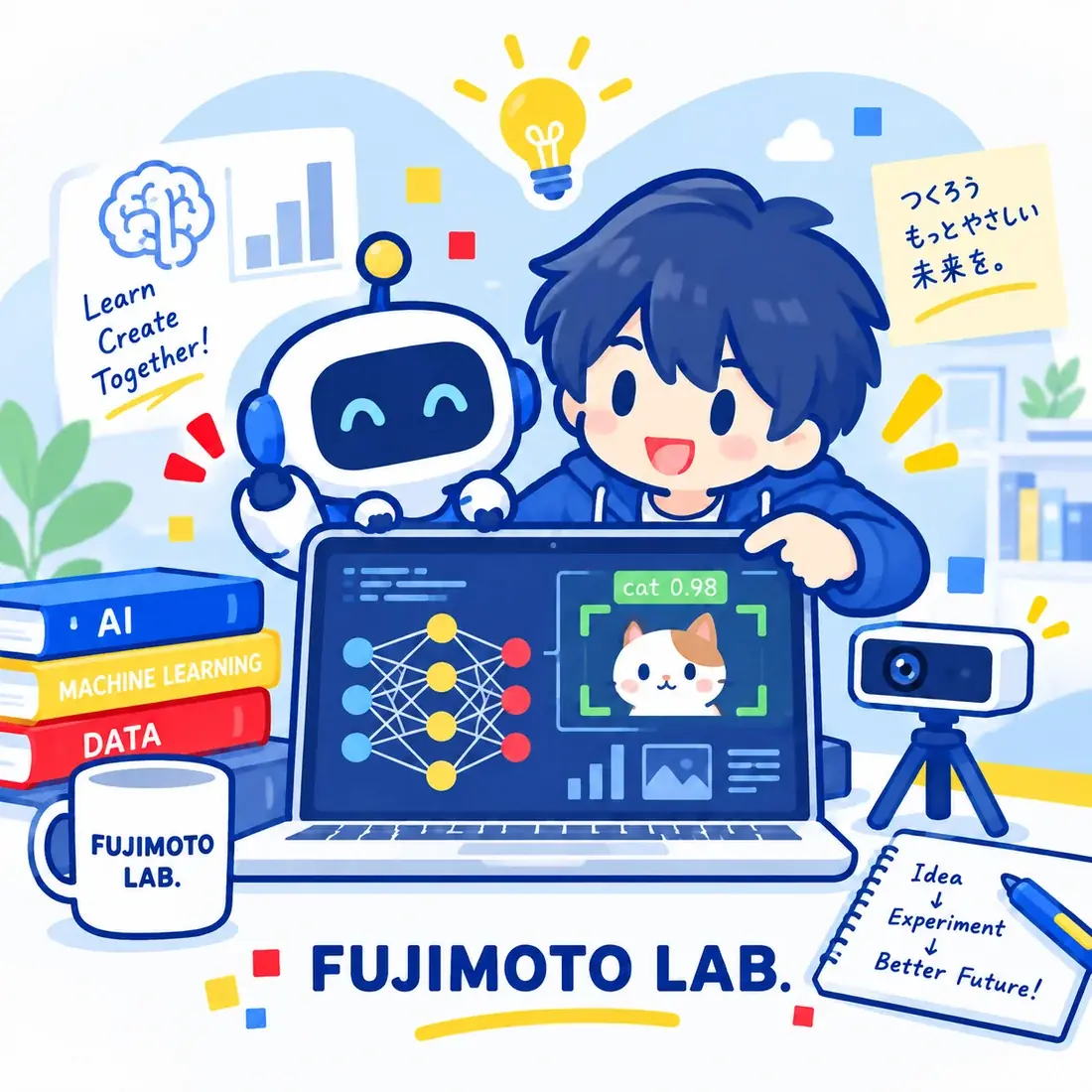
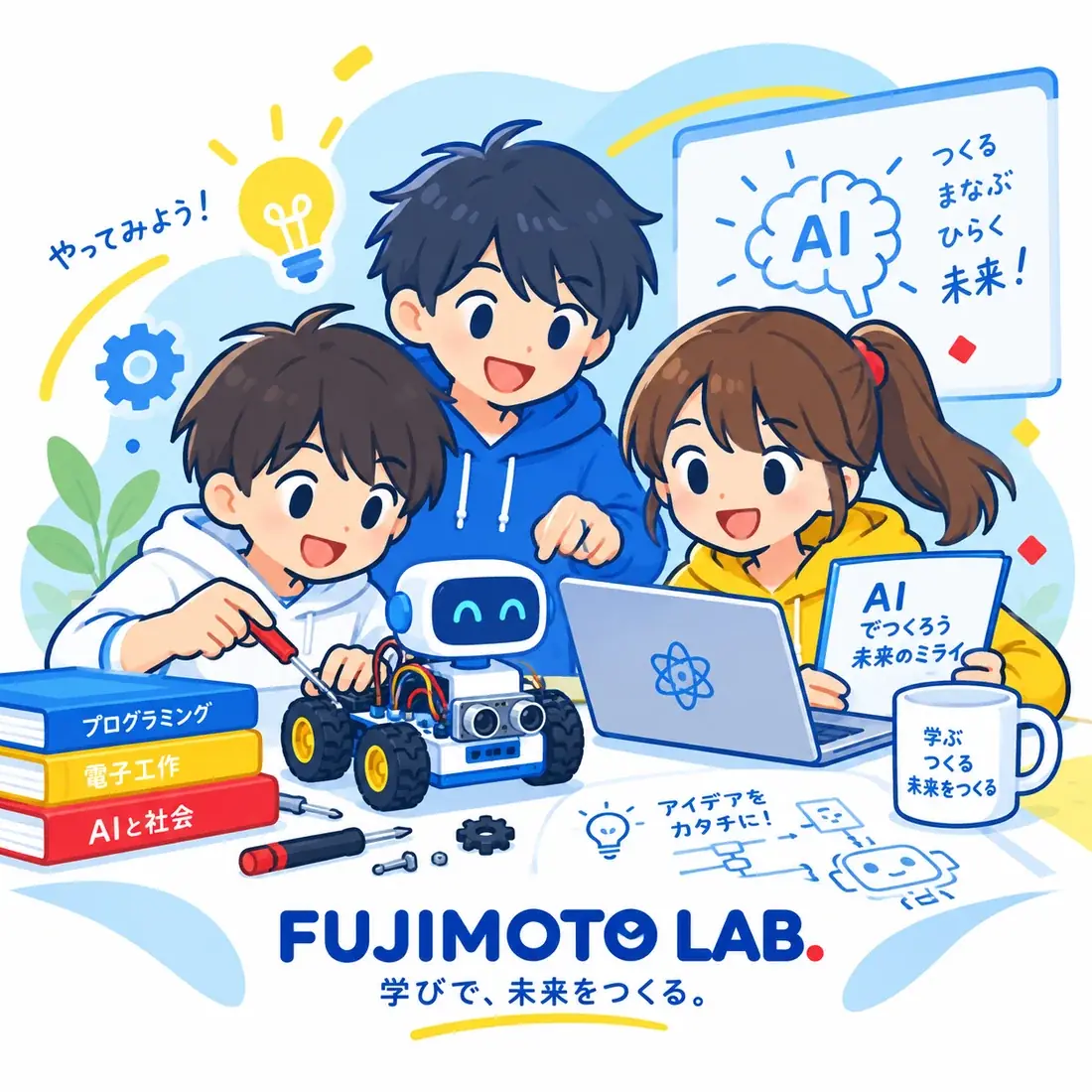
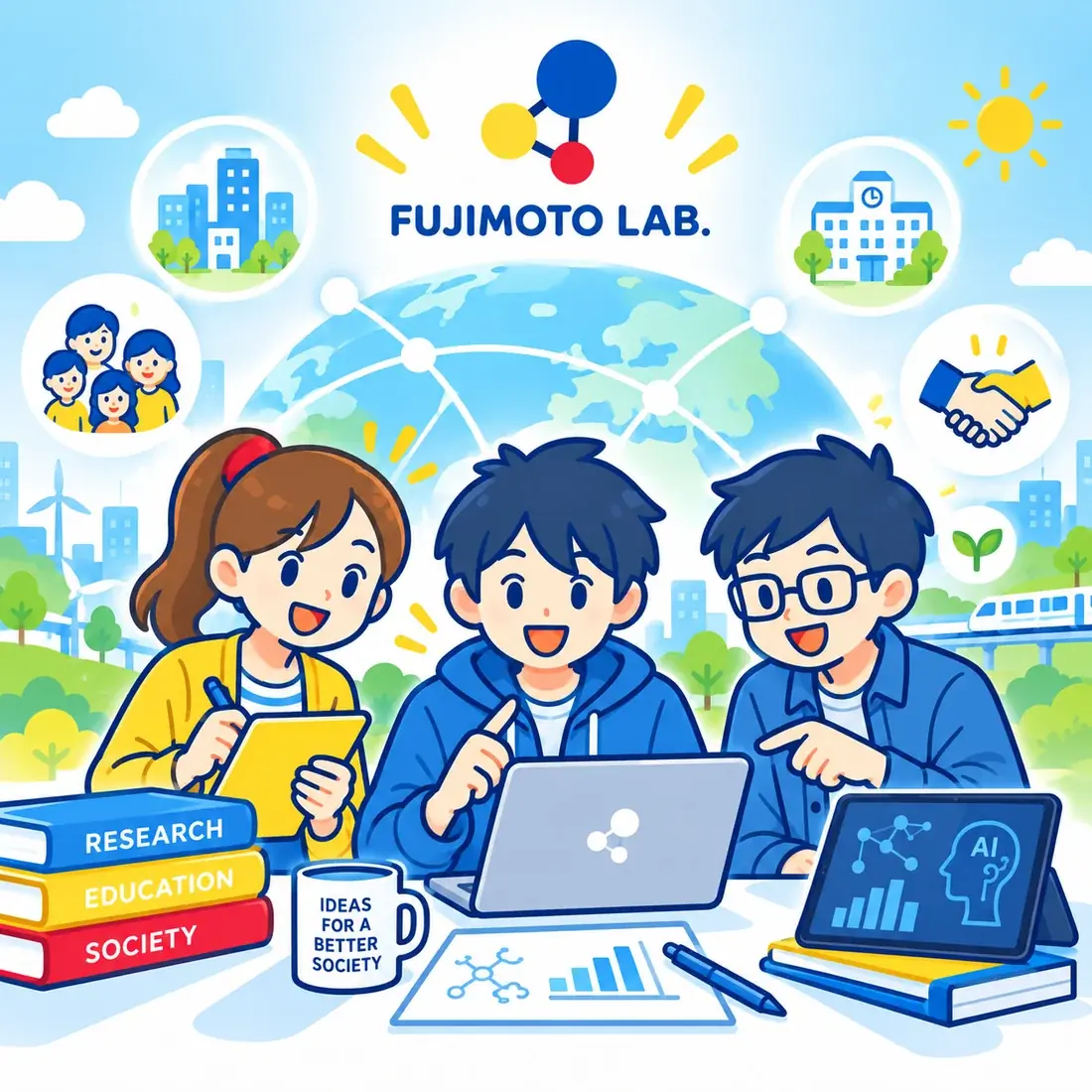
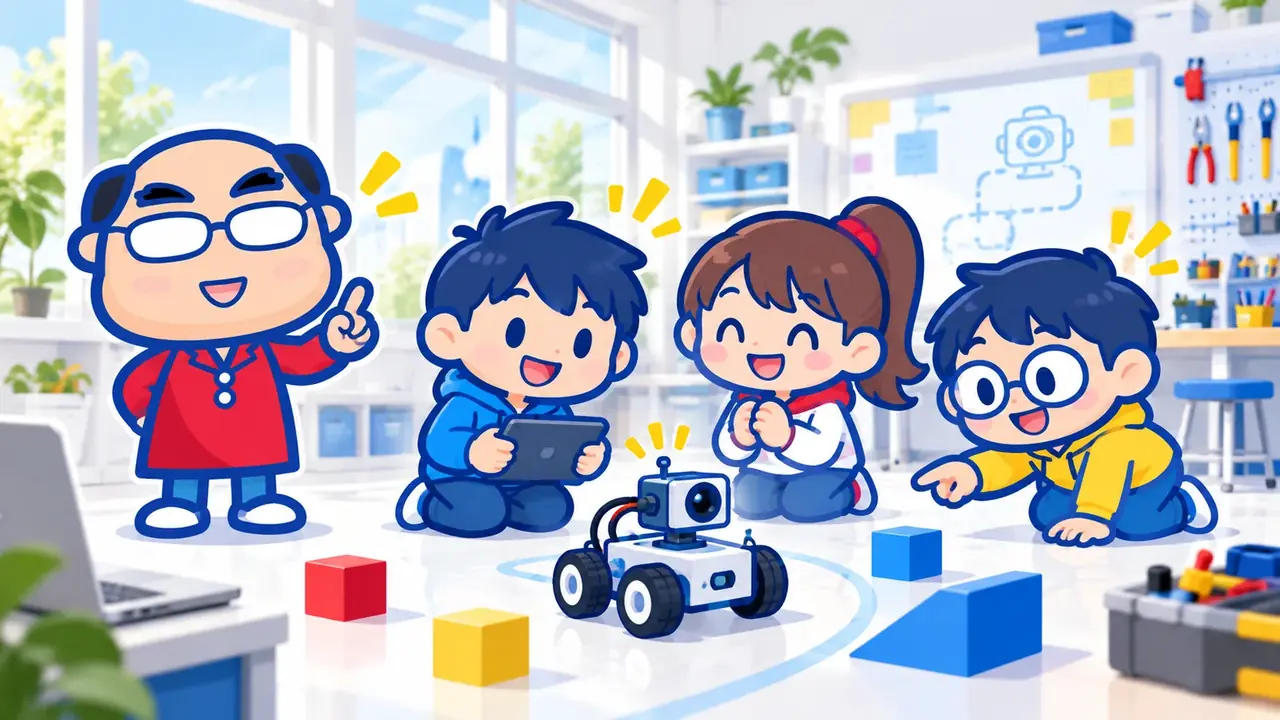
Making learning more accessible with AI. Helping build a better society. That is our mission at FUJIMOTO LAB.
Make. Try. Discover.
Discover with AI. Have fun!
AI fora better tomorrow
Videos (Japanese)
EXPLORE FUJIMOTO LAB.Explore our laboratory
AI LAB activities, learning resources, and the school teacher guide are currently available in Japanese.
Learning for a better society.
AI × PEOPLE × SOCIETYThe future starts here.
ABOUTAbout
Start with “Why?”
Go beyond knowing.A lab that builds and tests.
At Fujimoto Laboratory, we explore how technology can address society's challenges through AI and machine learning, user-friendly software, and engineering education.
We value asking questions, building things, testing ideas, and learning from the results. A small spark of curiosity can become the first step toward research.
AI & Machine LearningHuman-Centered SoftwareEngineering Education & Hands-on LearningResearch for Society
RESEARCHResearch
AI for real-world challenges.
Recognizing patterns, reasoning, improving usability, and supporting learning. We bring different fields together to develop technology that can help in the real world.
01
AI / MACHINE LEARNING
Applied research in deep learning and machine learning
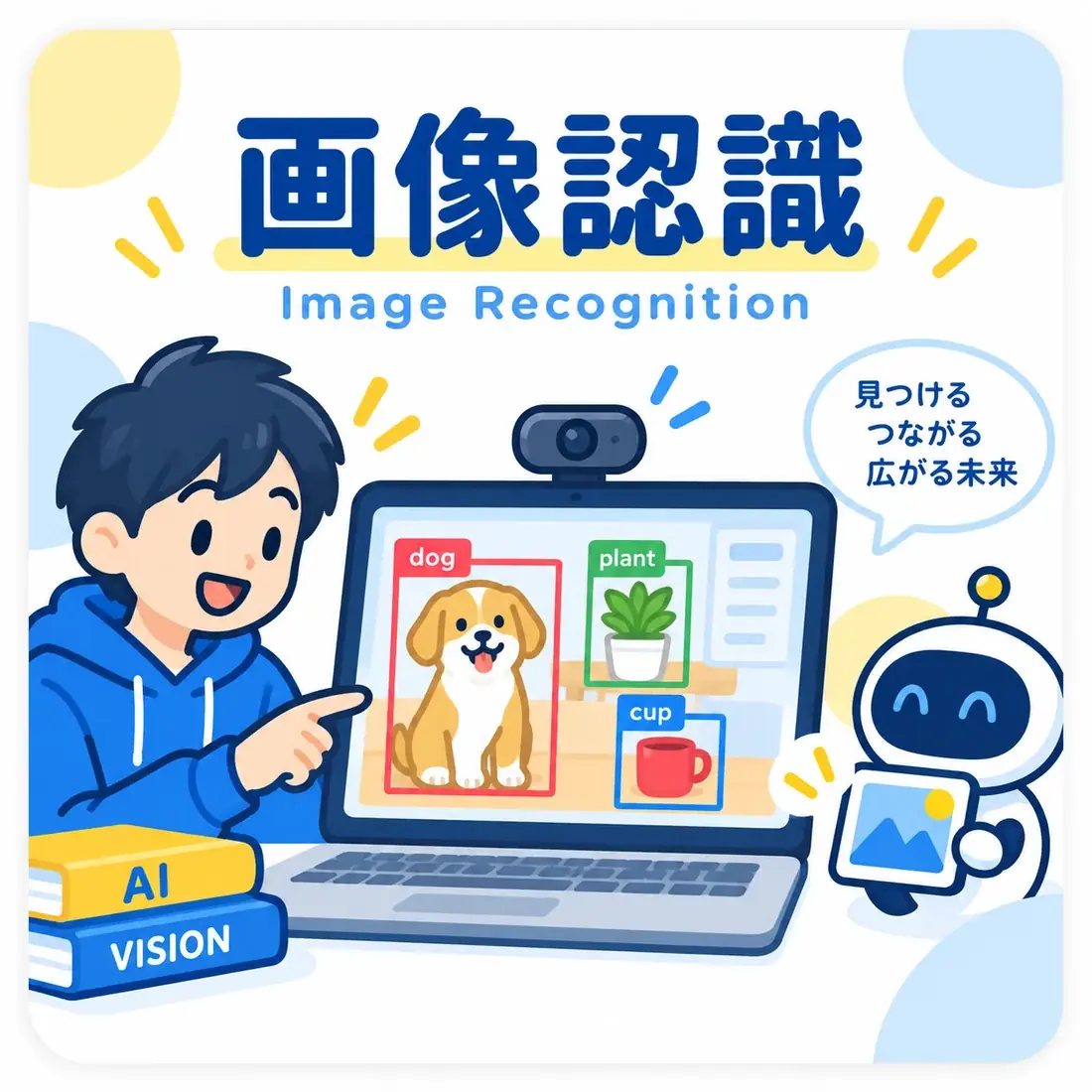
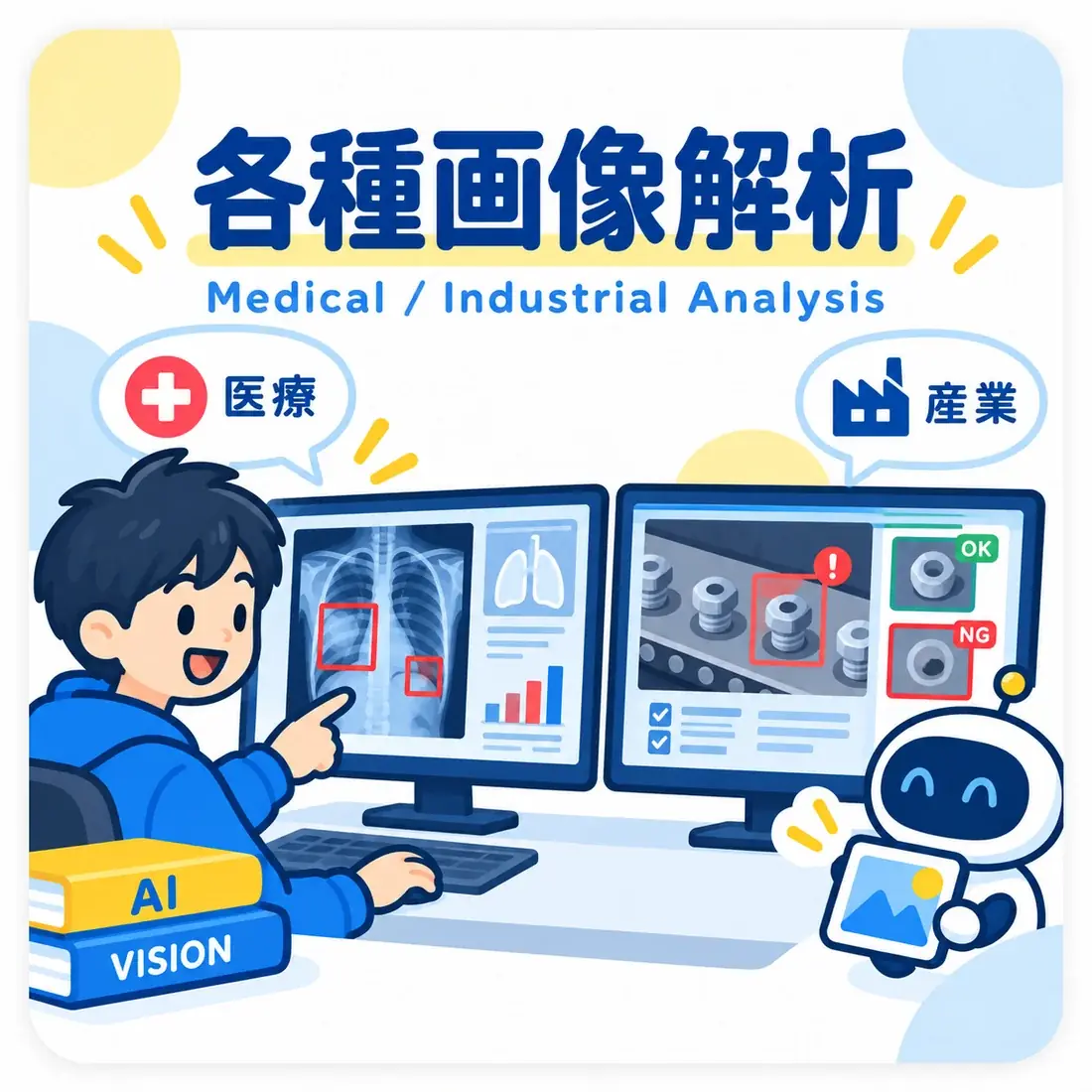
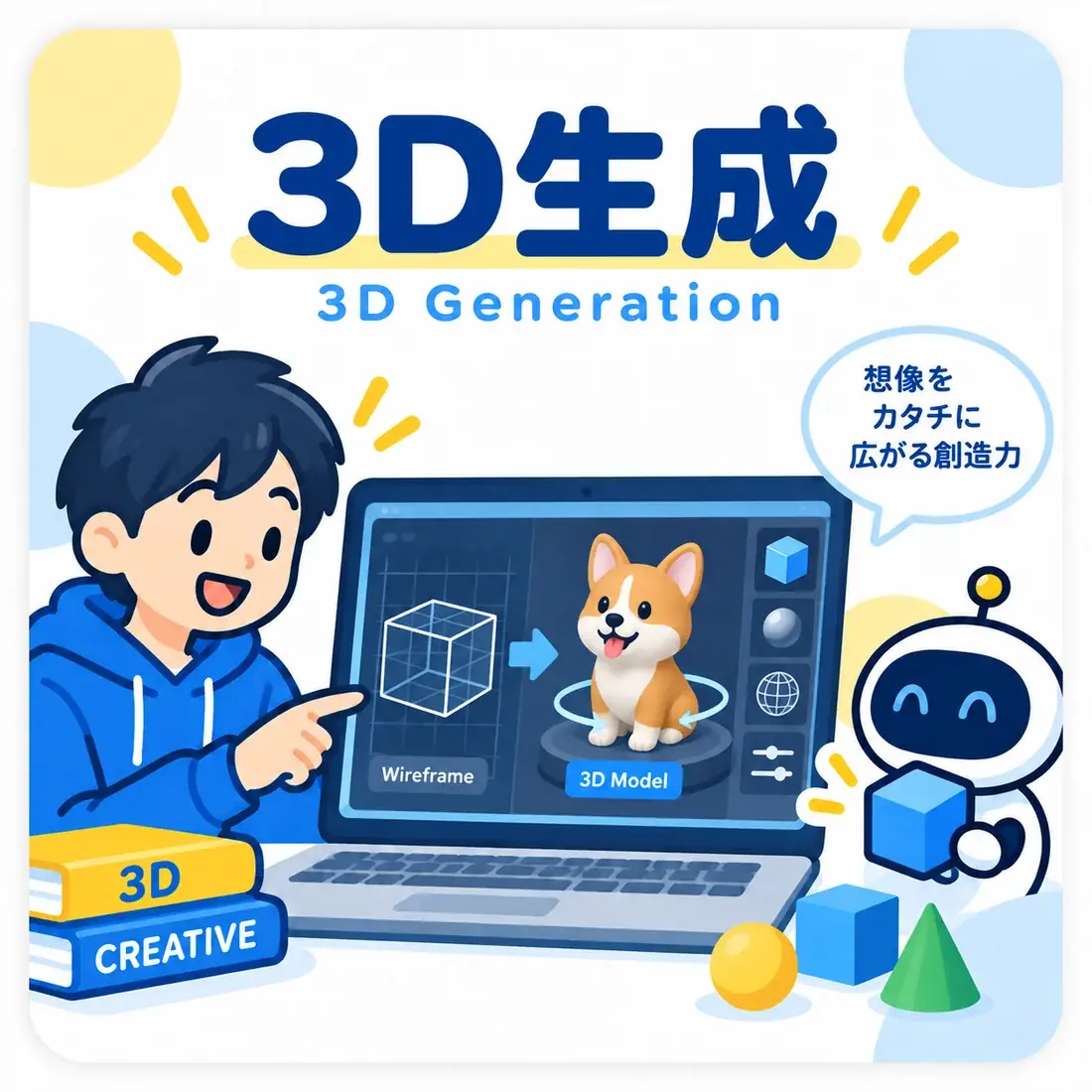
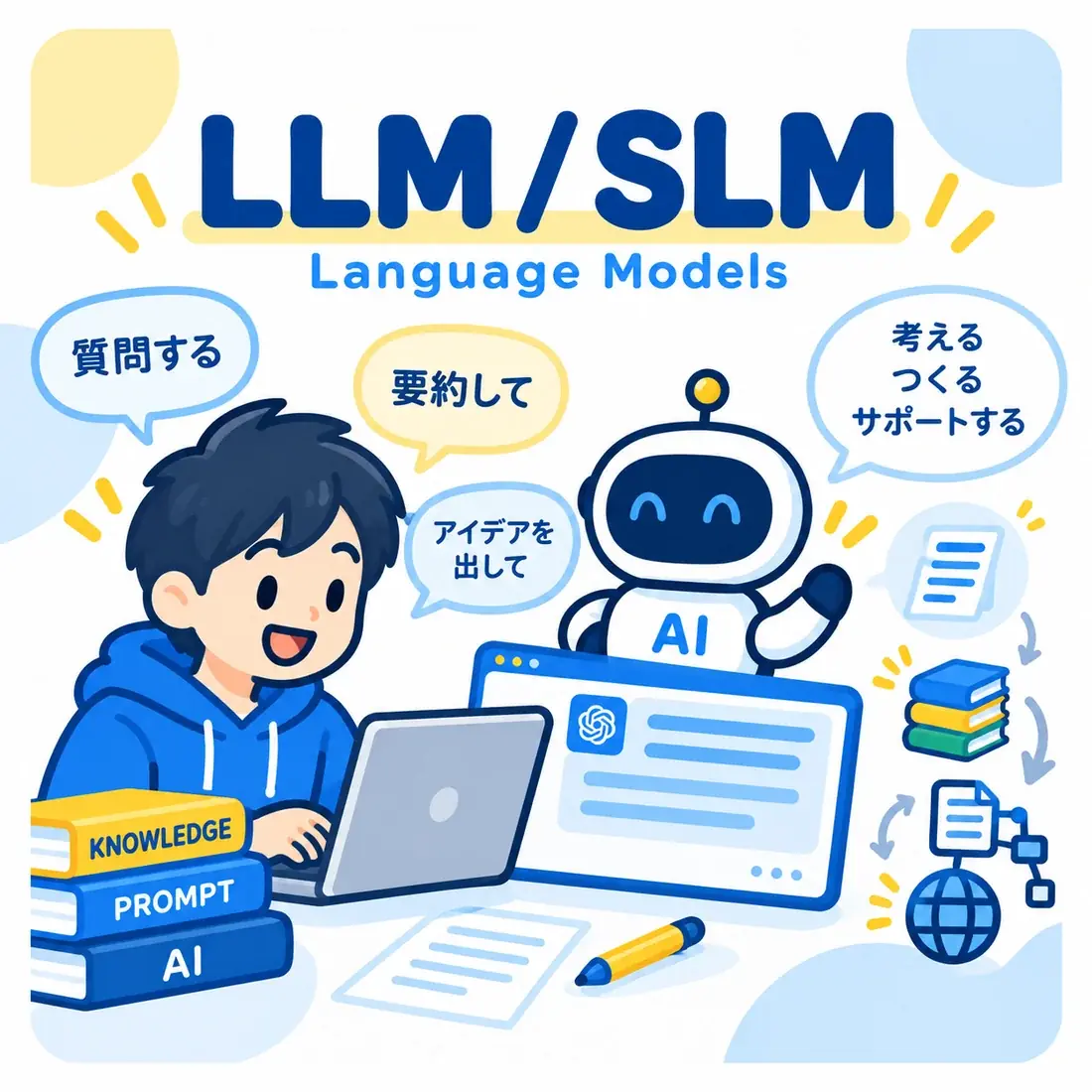
We use image recognition, image analysis, 3D generation, and large and small language models (LLMs and SLMs) to address challenges in medicine, industry, education, and other fields. We combine AI with technologies such as X-ray imaging, VR, and 3D representations to suit each real-world problem.
02
HUMAN-CENTERED SOFTWARE
Software designed around people
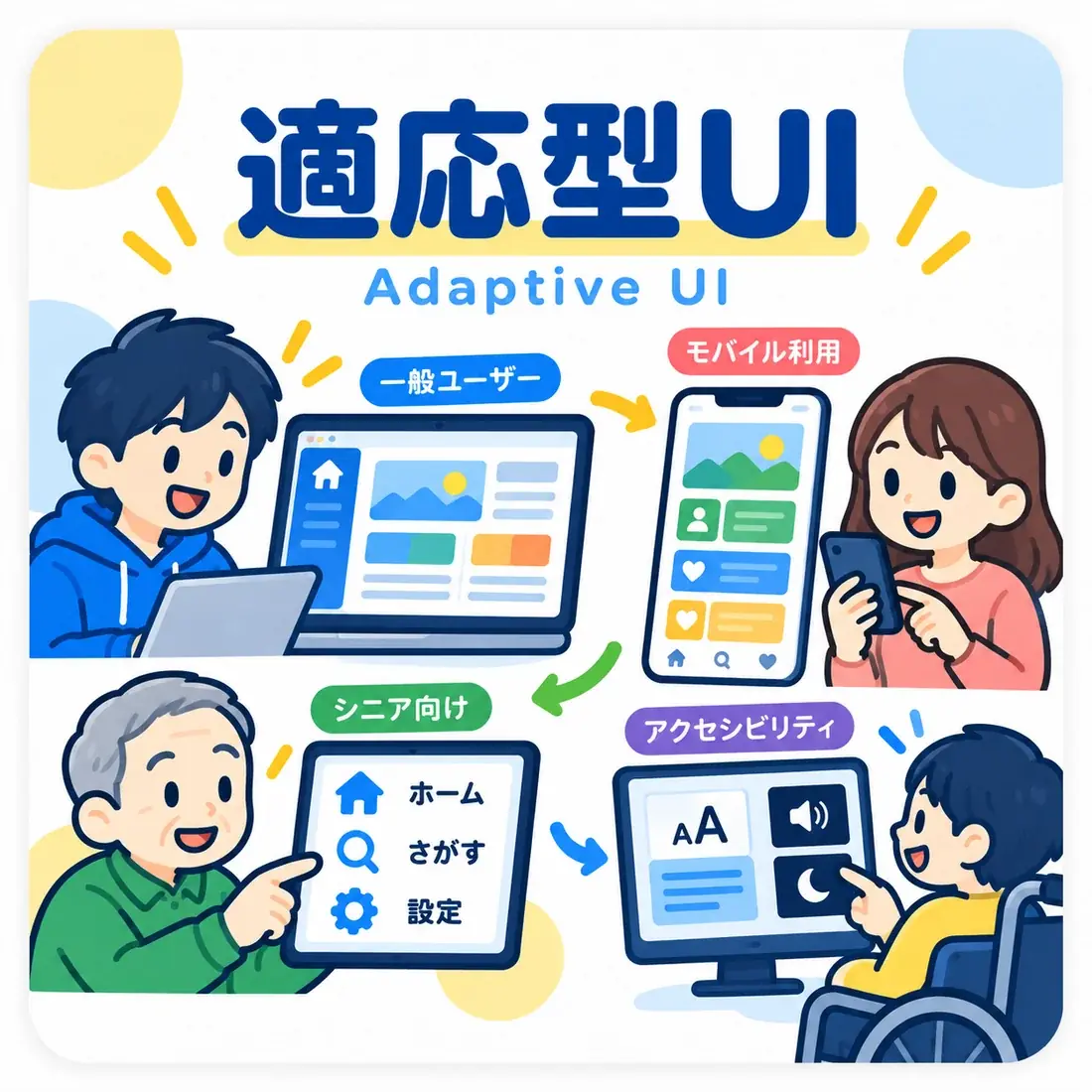
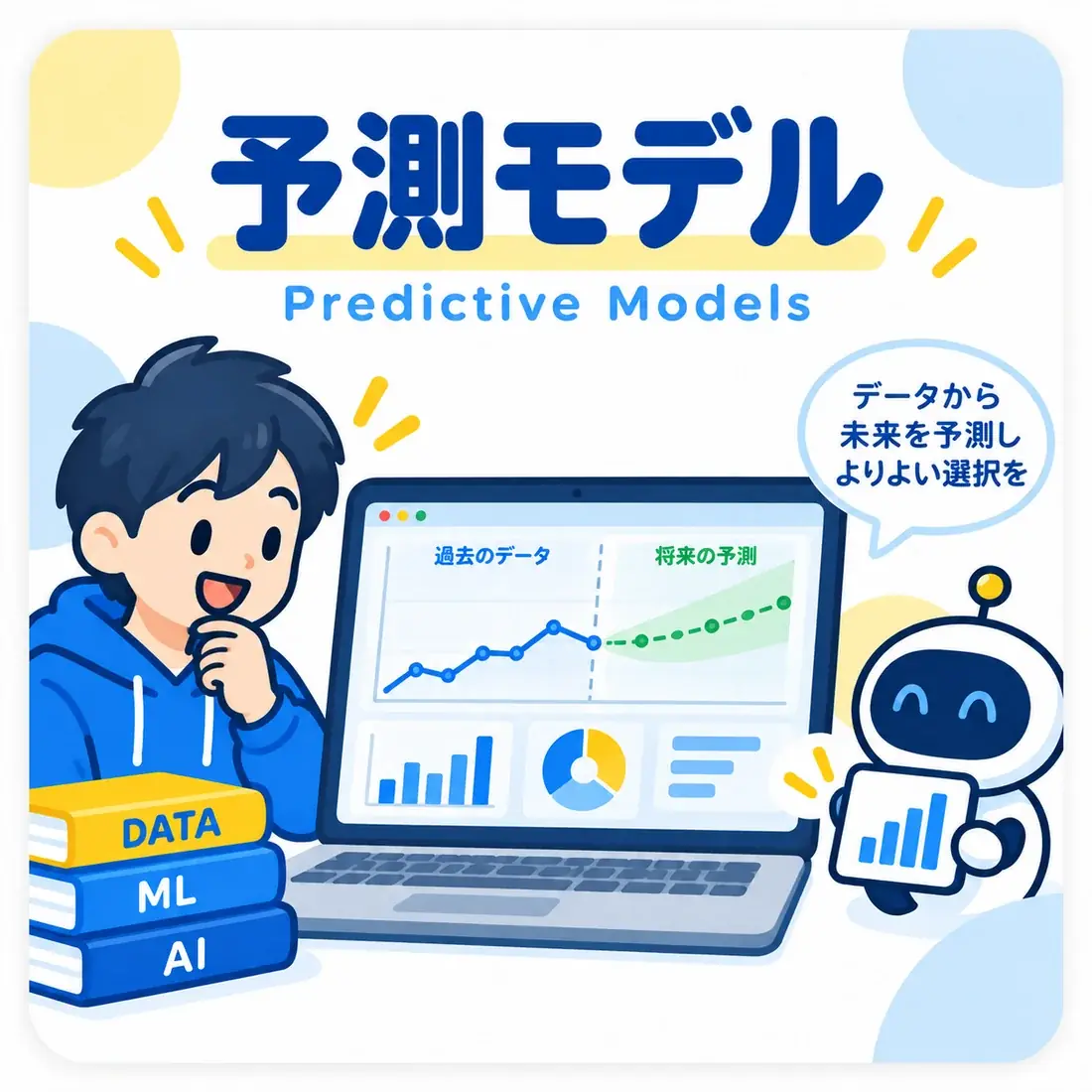
We aim to make software intuitive for people of different ages and levels of technical experience. Starting with usability, our research spans AI-powered adaptive interfaces, predictive models, and web development.
03
ENGINEERING EDUCATION
Engineering education that inspires “I did it!”
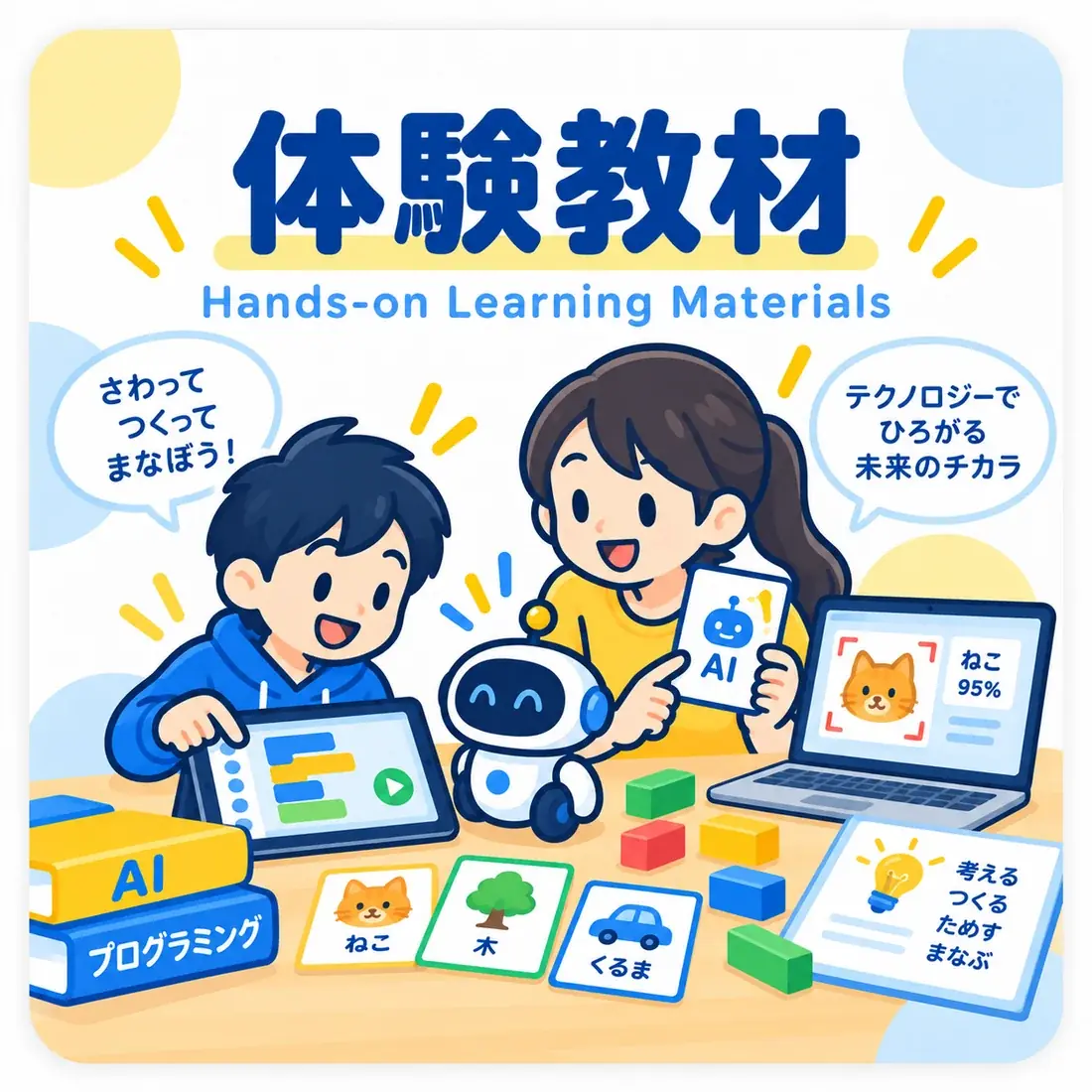
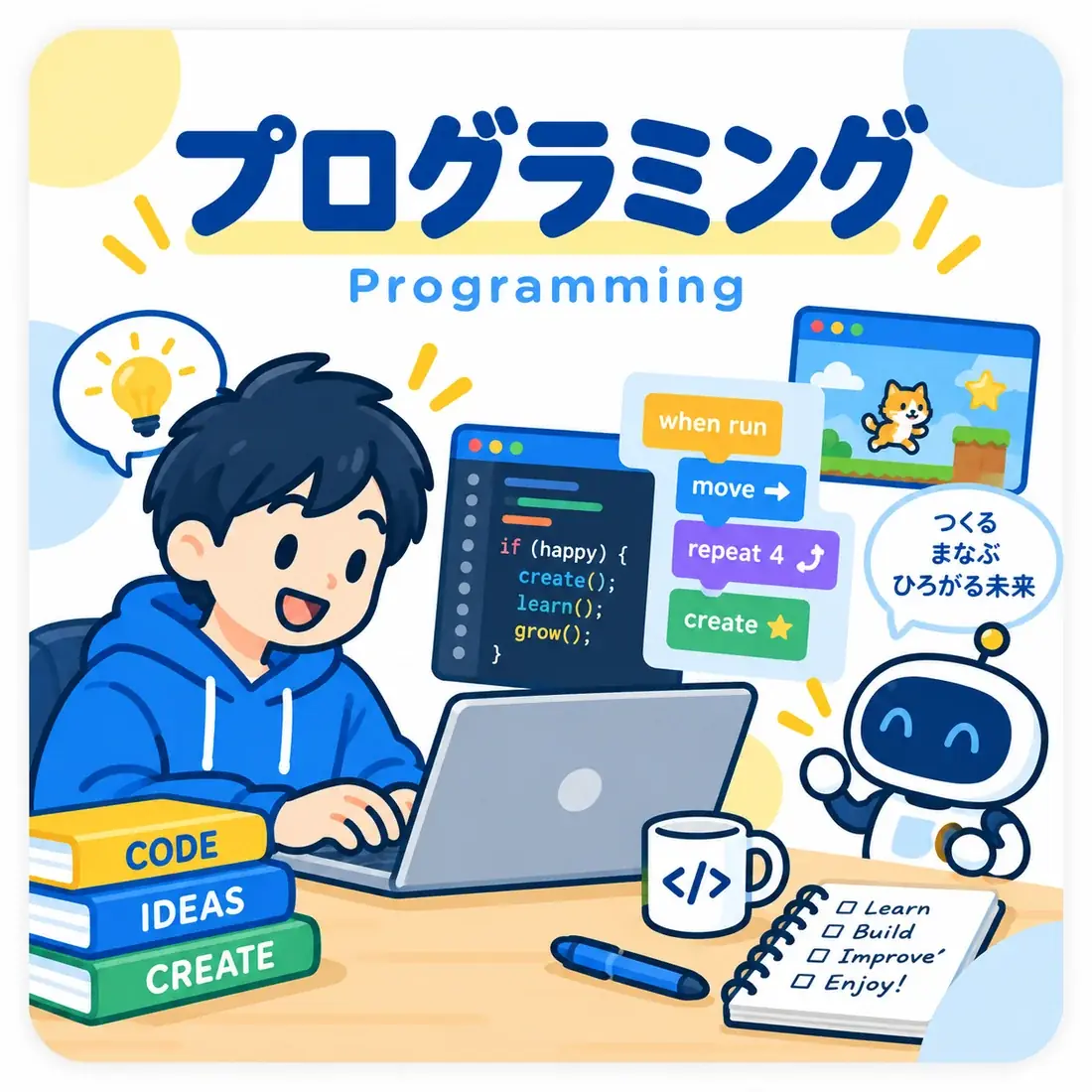
We develop engaging AI and programming materials for learners from elementary and junior high school through higher education. We focus on hands-on materials and practical learning design to help people understand by doing.
KAKENHI / FUNDED RESEARCH
KAKENHI-funded research.
From learning about AI to learning alongside AI. Explore our publicly listed research projects.
In progressFY 2026–2028
AI as a learning partner.
Extending Cooperative Learning Theory and Evaluating Its Effects in KOSEN PBL Laboratory Courses with Generative AI Simulated Students
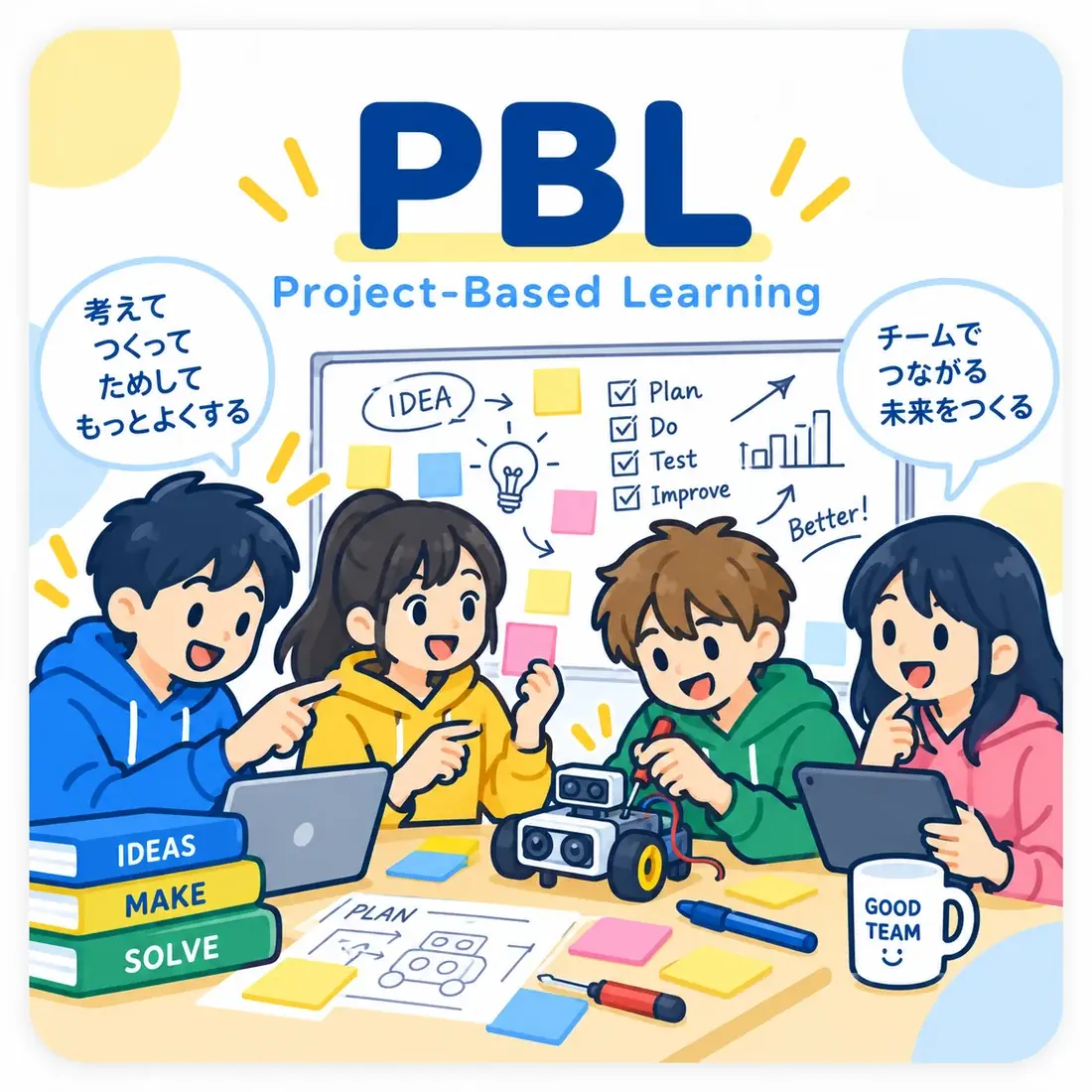
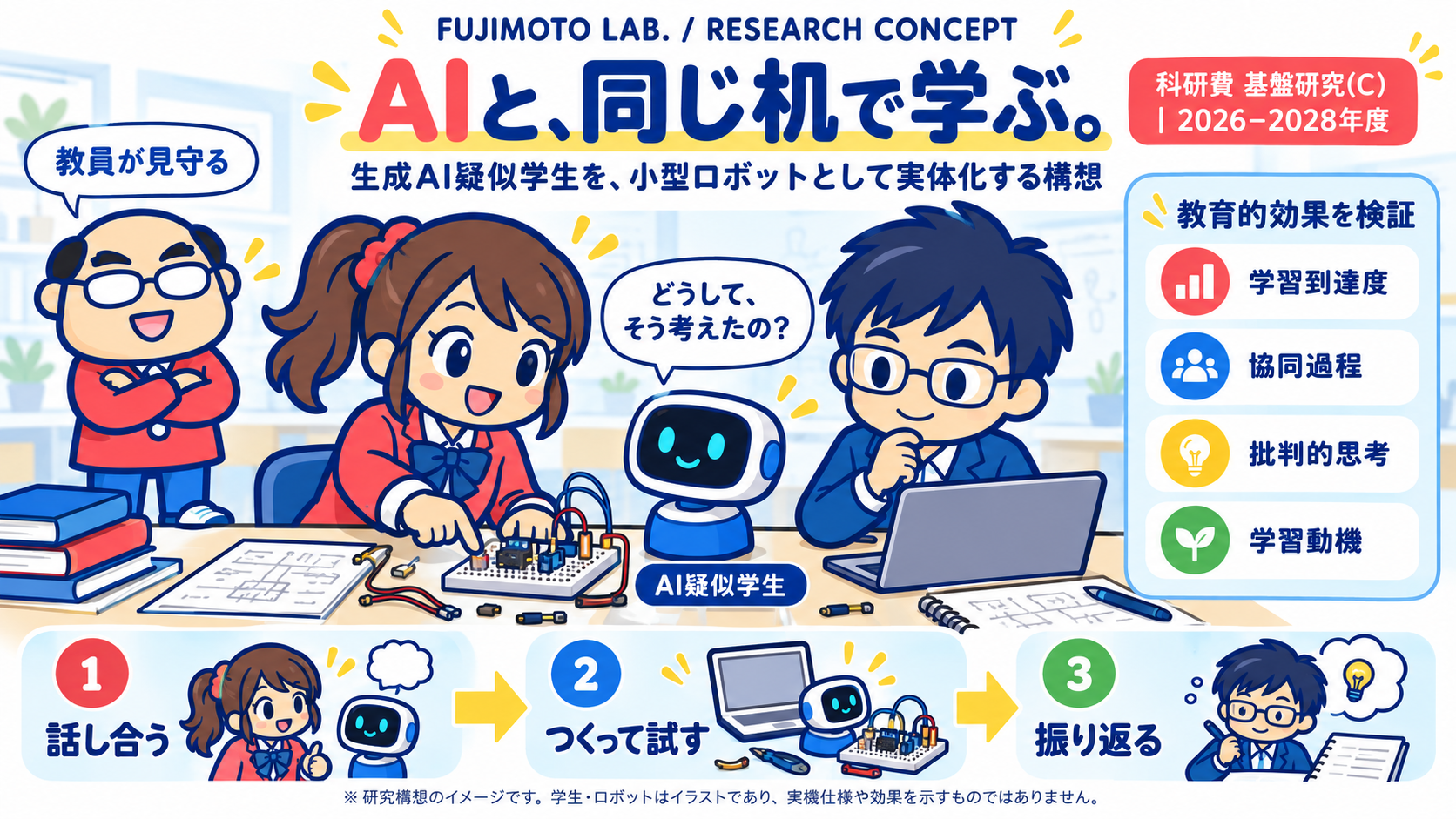
We are developing an educational model that introduces generative AI simulated students with distinct personalities and roles into problem-based learning (PBL) laboratory courses at colleges of technology (KOSEN). The research examines their participation in student discussions and their educational effects on cooperative learning.
Development of Teaching Materials for Training Practical AI Engineers at Colleges of Technology
We developed online, hands-on materials for KOSEN students and used them in classes and on-campus AI study groups. We have reported research findings on curricula and educational practices incorporating these materials.
Building on the research concept / Implementation underway
An AI partner, thinking at the same table.
Building on our research into generative AI simulated students, we have begun work on embodied learning partners using small robots such as Stackchan.
Discussing ideas, building, testing, and reflecting with students. We are exploring how an AI on a screen might become a companion that shares the same learning space, through implementation and evaluation.
This initiative is presented separately from the official KAKENHI project outline. Using a small robot to embody a learning partner builds on the research concept. Implementation has only begun; this does not represent completed features or verified educational benefits.
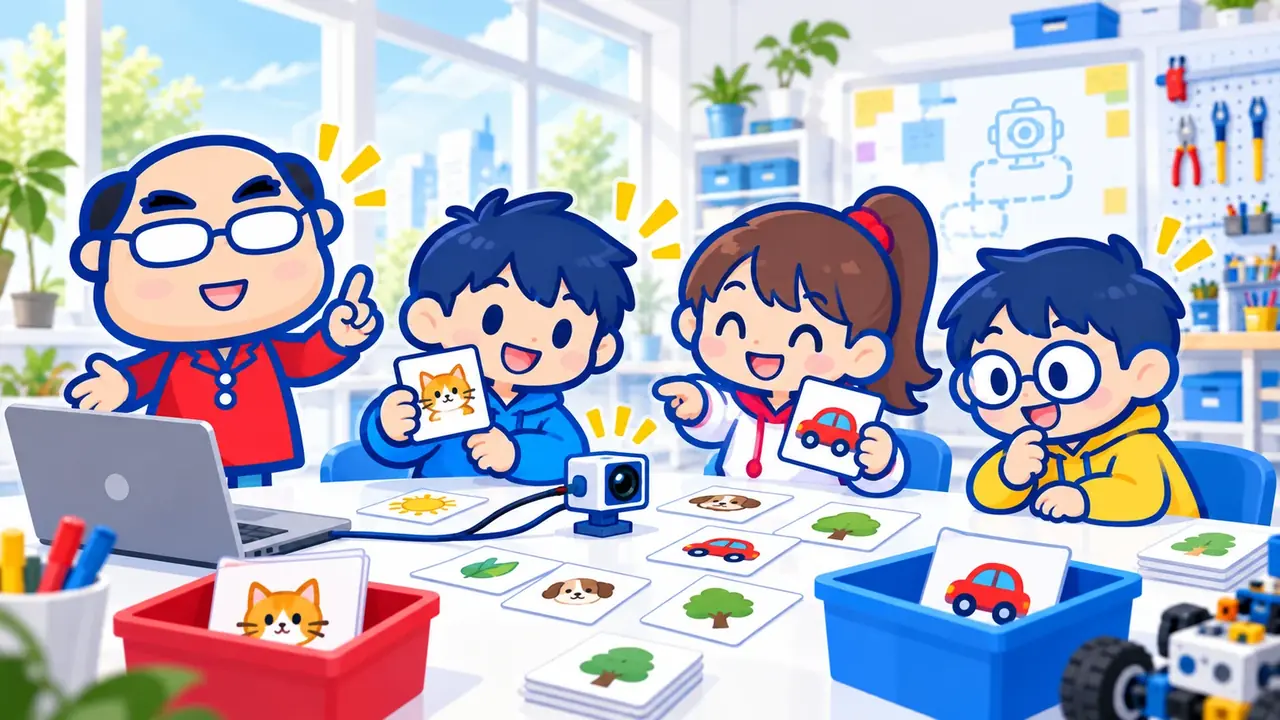
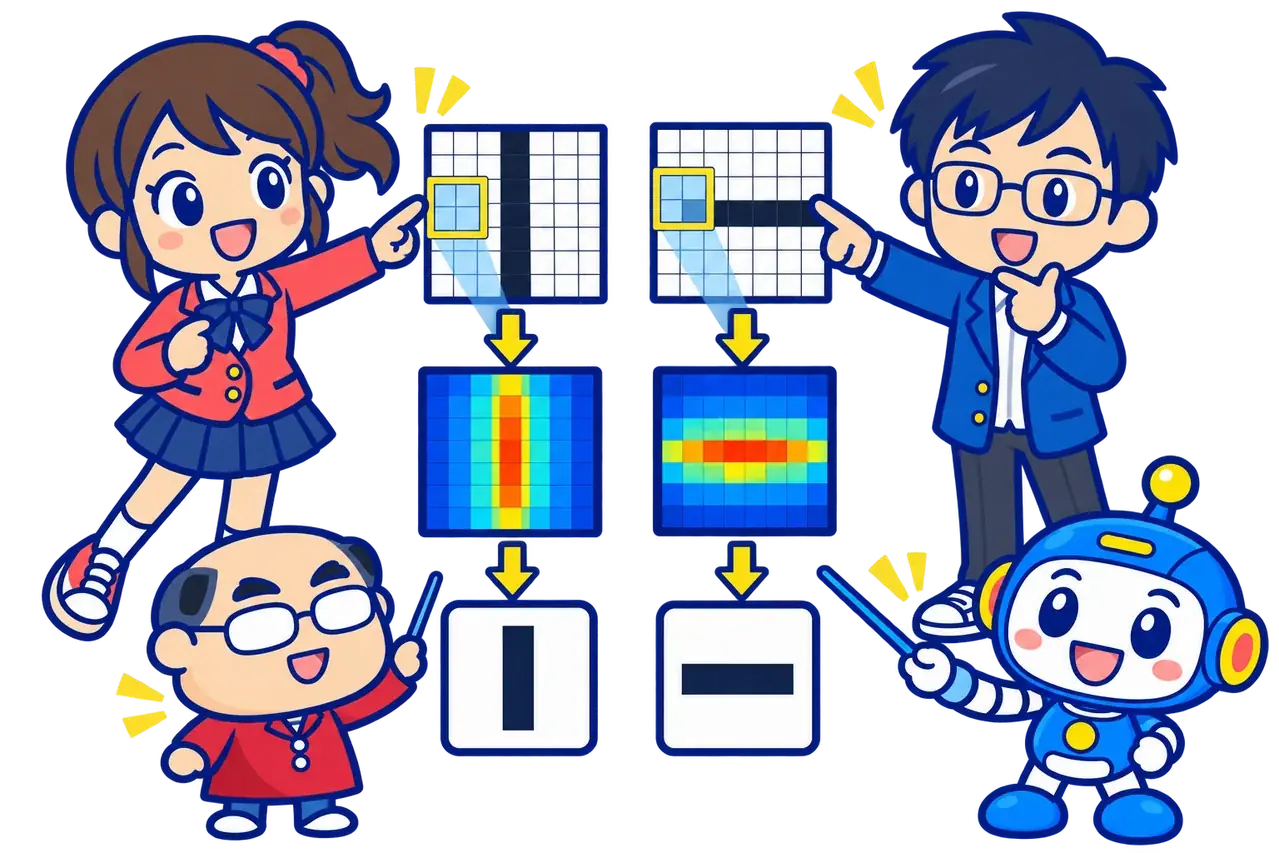
AI LAB offers hands-on activities for elementary and junior high school students and anyone curious about what AI can do. Start by looking, interacting, and experimenting to get an intuitive feel for how AI works before tackling detailed explanations. The activities are in Japanese.
Activities explore familiar themes such as images, sound, movement, and language. They can serve as an introduction in class or as hands-on experiences for families and the wider public.
For elementary and junior high school teachers The AI LAB teacher guide includes 45- and 50-minute lesson plans, preparation steps, and safety guidance.
If you are considering using AI LAB in class, please contact us with the grade level, class size, preferred lesson length, and available devices. We can discuss practical options within our capacity.
OPEN EDUCATIONAL MATERIALS
The more you learn, the more you want to build.
Think through games. Run Python code. Explore data and AI. Our open materials help junior high school students, high school students, and adults learn from the basics, with starting points suited to their interests and experience. The materials are in Japanese.
For specialized topics, we focus on the fundamental ideas. Check each resource's intended audience and prerequisites, and choose a starting point that suits you.
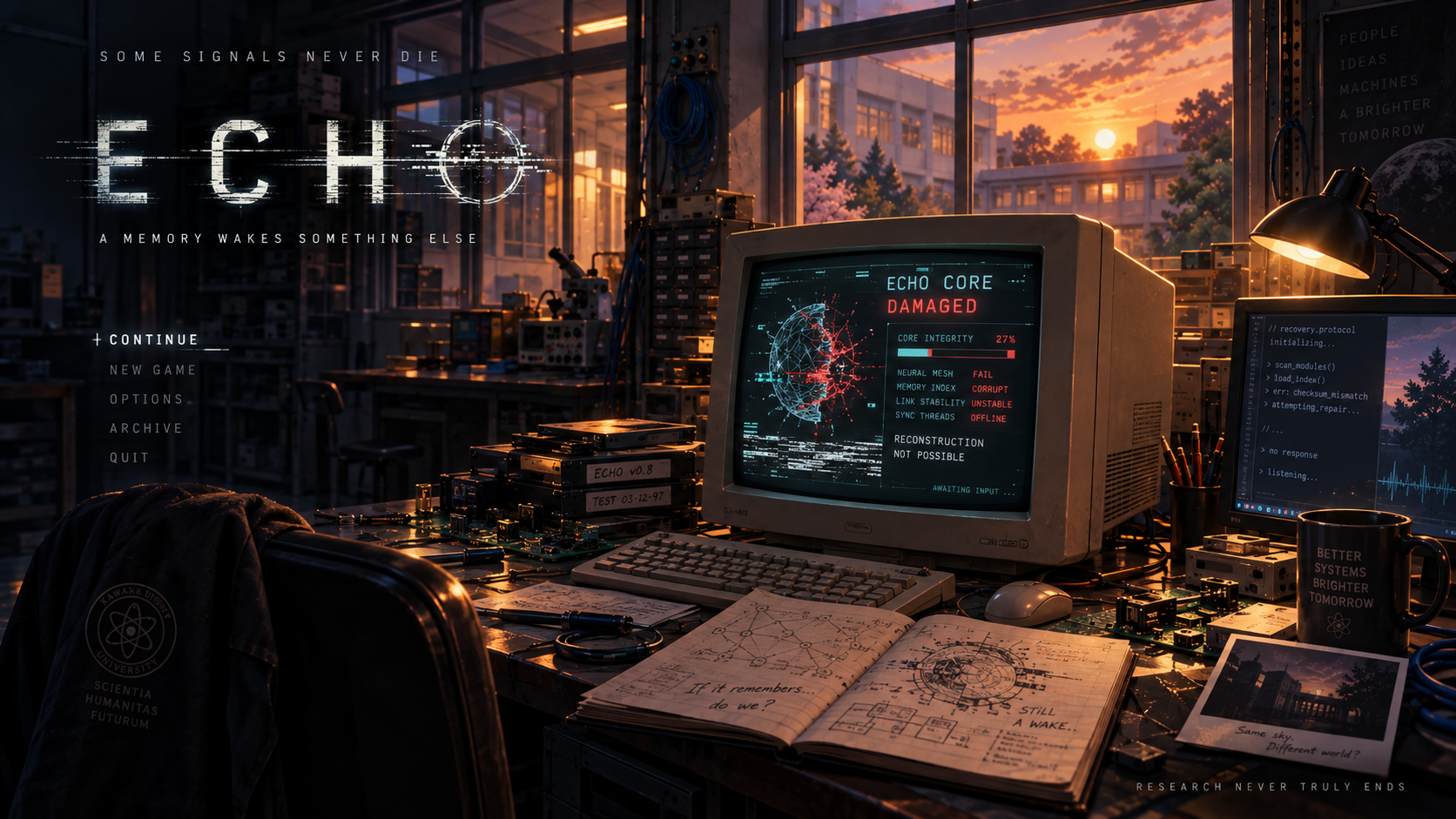
The introductory game “SIGNAL LOST: ECHO” was created for a planned Meister program in the Department of Systems and Information Engineering. Explore the story and gameplay screenshots on the learning materials page.
An introductory game about interpreting documents and logs left behind. Created for a planned Meister program in the Department of Systems and Information Engineering.
The characters and students are illustrative. These materials are a provisional release. Please read the usage guidance (Japanese) before using them.
PEOPLEMembers
Across disciplines, building together.
ProfessorDEPARTMENT OF SYSTEMS AND INFORMATION ENGINEERING
Kenji Fujimoto
His research and teaching materials connect biomedical engineering, information and communication engineering, deep learning (AI), and engineering education with real-world needs.
Drawing on expertise in mechanical engineering and materials, this collaboration supports a wide range of research and educational activities spanning hardware and software.
Contact us about collaborative research, technical questions, learning materials, educational partnerships, or graduation research topics. Select “Email us” to open your email app with our address already filled in.
Start with an overview of your challenge.
Tell us your goals, intended use, and preferred timing, using only non-confidential information.
What to include in your inquiry
Your name and affiliation
Your topic of interest or the problem you want to address
The intended use and your preferred timing
Please do not include personal data, medical information, trade secrets, or unpublished data in your first email. We will discuss how to share any necessary information during the consultation.
ADDRESS651-2194 8-3 Gakuen-Higashimachi, Nishi-ku, Kobe, Hyogo, Japan Kobe City College of Technology (KCCT)